
Listen LIVE
When Life Changes, So Do Pets: How to Keep Them Steady Through Upheaval
by Lily and Evan Little
There's a strange kind of guilt that creeps in when your dog starts whining the week you change jobs. Or when your cat won't leave the laundry basket after the baby arrives. Life moves fast, sure, but for pets — time's measured in meals, voices, footsteps. The things we barely notice shifting? They feel them like earthquakes. A new schedule, a closed door, a favorite lap gone half the day — all of it sends ripples through their world. They don't need perfection, though. What they crave is a signal that some parts of life are still solid. That you're still there. That the bowl will still clink at six.
Relocating to a New Home
You pack up boxes. They watch. You toss bedding, roll rugs, and donate furniture. Their maps vanish. New walls mean new smells, weird echoes, and floors that sound different when you walk. It's not just a move — it's a reboot of their entire orientation system. Most pets will act normal at first, then crash a few days later. Appetite dips. Sleep changes. Suddenly, they're afraid of stairs. The fix? Small territory, slowly opened. Keep the food bowl in the same relative place. Don't wash their blankets. Sit with them quietly in one room until they sigh. That's the body saying, Okay, this is mine again.
Changes in Daily Schedules
You used to leave at nine, return at six. Now you're gone at dawn, back after dark. Or worse — you're home all the time, pacing between meetings and muting your mic when the dog barks. Pets don't understand meetings. They understand missing patterns. That nap at 2 p.m. they always took while you typed? Gone. That walk after dinner? Shorter now. What helps? Tiny consistencies. Same wake-up word. Same walk path. Predictable exits — not the rushed "oops, I'm late" slam. They're not asking for eight hours of play. They just want to know what's coming next.
Introducing a New Baby
That wail from the nursery? Sounds like a threat to some pets. Especially when it comes with closed doors, less attention, and a whole lot of stress vibes radiating from their humans. Babies bring motion, smells, and unpredictable noise. It's not just jealousy — it's sensory overload. Prep matters. Let pets sniff the crib sheets before the baby arrives. Play audio of baby sounds while handing out treats. After birth, don't push them away; invite them in gently. A quick head scratch between diaper changes goes a long way. They're not trying to be the center. They just don't want to disappear.
Pursuing Education During Career Change
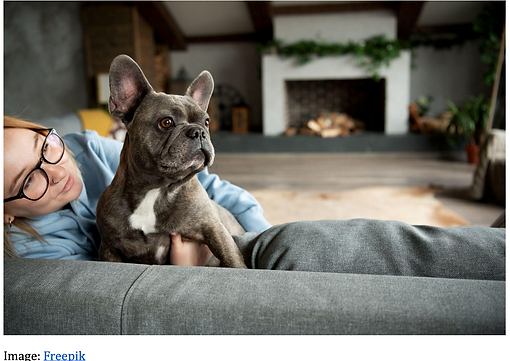
Starting over doesn't always mean walking out the door. Sometimes it looks like booting up a laptop while your dog shifts beside you on the couch. Take a look at online learning which isn't just about convenience — it's about presence. For instance, when you're earning a healthcare degree from home, you're still there for the morning meal, the afternoon walk, the small routines that tell your pet, nothing's wrong. And while your world might be tilting — new goals, new stress, new career path — they don't feel the chaos in your absence. They feel your consistency. Your steadiness. And quietly, your new purpose becomes a shared one: to care.
Shifts in Household Composition
Someone moves in. Someone moves out. A teen leaves for college. Grandma comes to stay. Pets notice who does the feeding, who gives the good scratches, who leaves the back door open without being told. They form bonds and routines with individuals. So when roles shuffle, they recalibrate — but it takes time. You might see clinginess. You might see withdrawal. The fix isn't over-explaining; it's re-grounding. Choose a new stable person and make them predictable. Same tone. Same phrases. If emotions are running high in the house — arguments, grief, big talks — pets will feel it. Don't pretend nothing changed. Just give them a job to do: sit, stay, follow.
Managing Multi-Pet or High-Stress Moves
Let's say you moved cross-country. Or blended households with other pets. Or added a partner's three cats into your one-bedroom. The stress here doesn't taper off — it stacks. What begins as barking turns into guarding. Litter box issues turn into fights. The mistake? Assuming pets will "work it out." You've got to set lanes. Multiple beds. Separate mealtimes. Doors that close. Calm voice, even when chaos spikes. Think of yourself as traffic control — reroute where needed, never let the collisions pile up. A little distance now means fewer vet visits later.
Reestablishing Stability After a Transition
Everything's done: the move's complete, the schedule's stabilized, the baby sleeps more than cries. But the dog still paces. The cat won't use their usual perch. This is the part people miss — the slow exhale phase. Pets don't bounce back just because things look normal again. They wait to see if the new normal holds. Rebuild with small, daily rituals. Add back the words you used to say. Open the door at the same time every day, even if you're not leaving. If things feel better for you, let them feel better for your animal too — on their timeline, not yours.
You're the one steady point in a spinning world. That's what they latch onto — your rhythm, your voice, your scent on the couch pillow. So when life changes, don't rush to normalize. Sit with the weird. Let your animal come close. They don't need a plan. They just need proof that love is still in the room. Even if the walls are different. Even if the world feels new.
Discover the latest in pet care and animal news by visiting Animal Radio — your go-to source for all things furry, feathered, and fabulous!